

The ICAR Research Complex for NEH Region, Umiam, Meghalaya, along with its regional centres and Krishi Vigyan Kendras (KVKs),
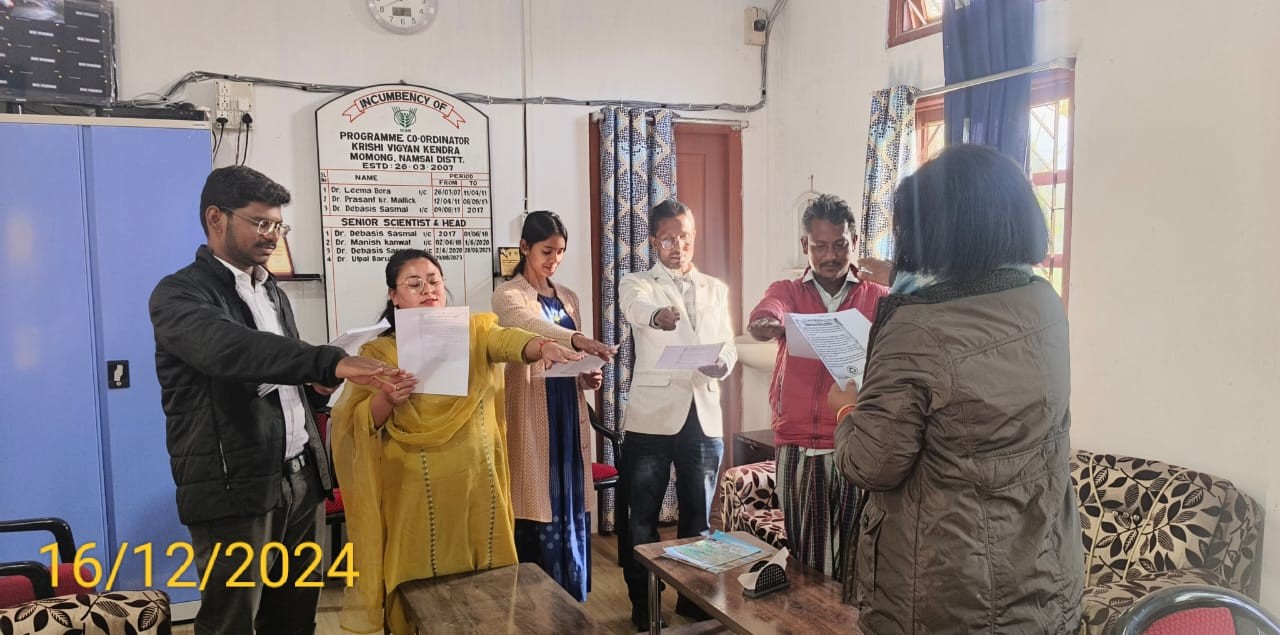
organized Swachhata Pakhwada 2024 from December 16 to December 31, fostering active participation from staff, students, and local communities. The initiative featured
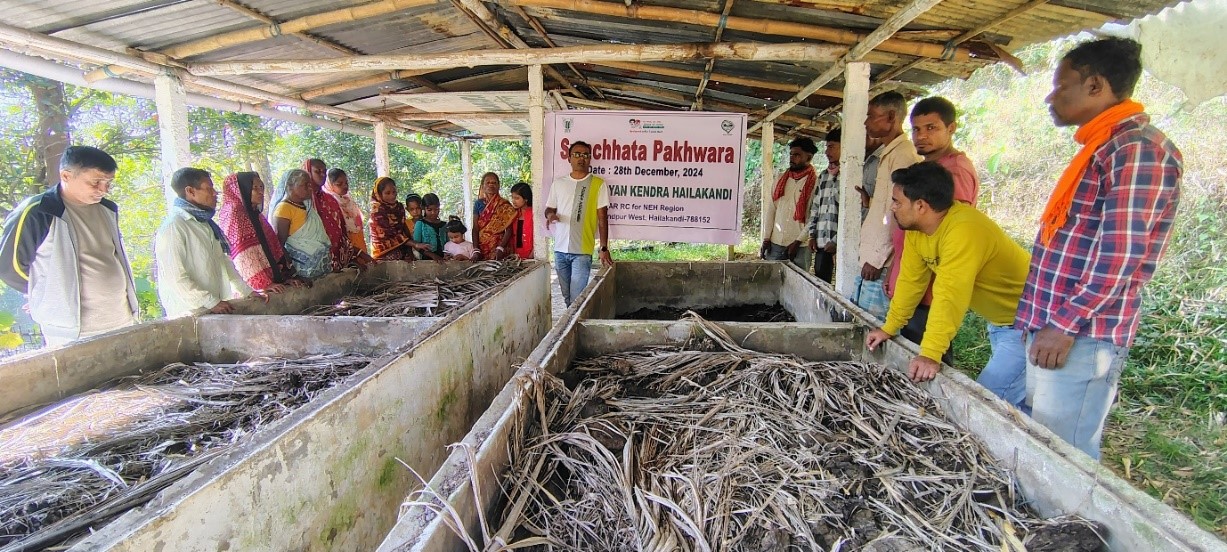
impactful awareness campaigns addressing critical environmental issues, such as straw burning, which included practical demonstrations of alternatives like composting, mulching,
and using straw as animal fodder. Intensive cleaning drives were undertaken across office premises to enhance efficiency by digitizing records and systematically weeding out old documents.
Tree plantation, signature campaign, and cleanliness drives were carried out in various villages, including Vengthar (Mizoram), Lamphel
and Tupul (Manipur), Satchuphen (Nagaland), Kiphire (Nagaland) Hailakandi (Assam), Namsai (Arunachal Pradesh), West Siang (Arunachal Pradesh), East Sikkim (Sikkim), etc. These activities
encouraged sustainable waste management practices like waste segregation and composting. Additionally, in Tupul Village, critical cleaning materials were distributed during a community cleanup
effort, further strengthening local engagement.
Kisan Diwas celebrations were a significant part of the program, featuring interactive workshops that promoted organic farming techniques, waste
management, and the use of biodegradable waste as compost. Newly identified villages were also introduced to these sustainable practices to foster grassroots adoption of the Swachh Bharat Mission’s goals.
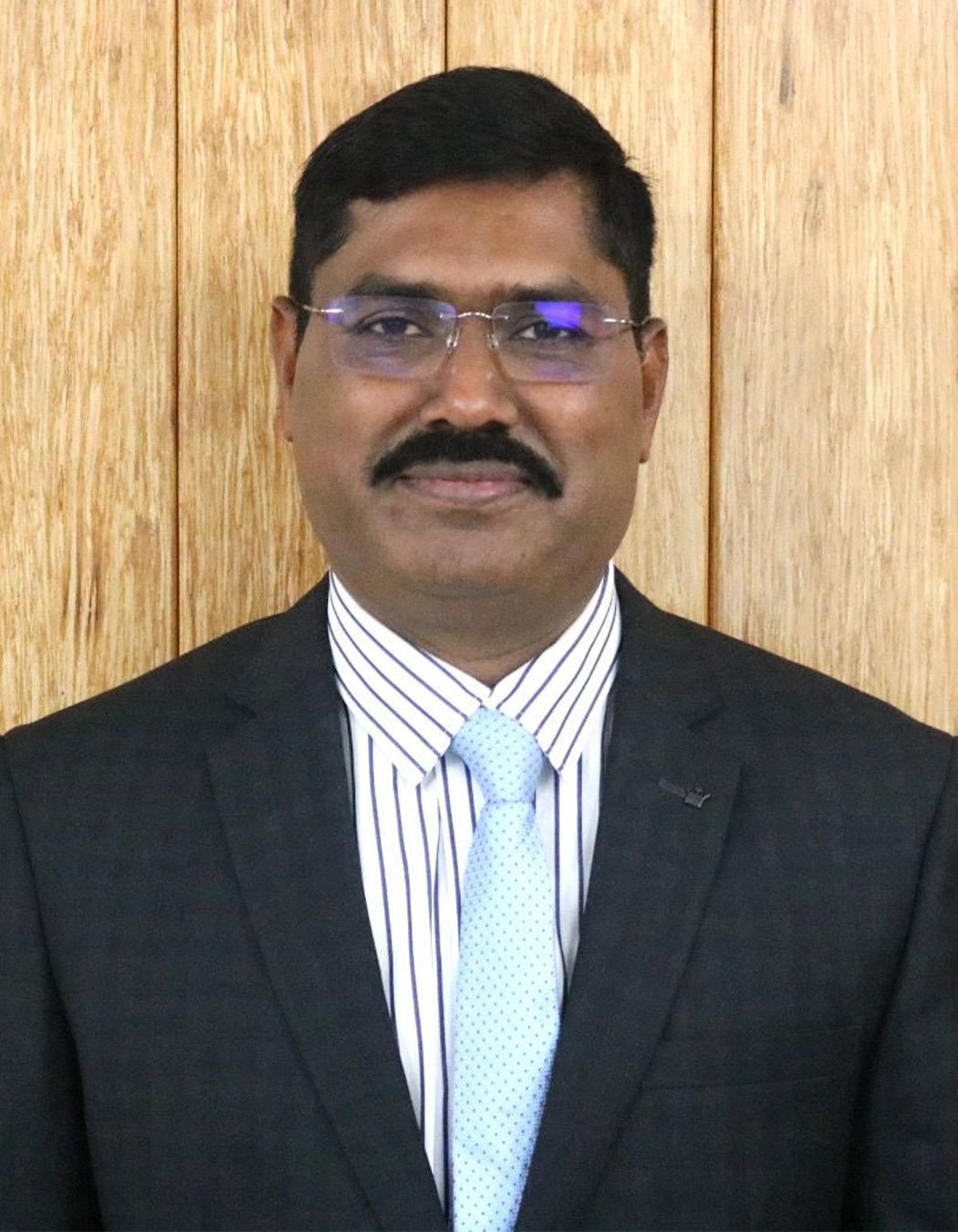
The success of Swachhata Pakhwada 2024 was made possible through the visionary leadership of Dr. V.K. Mishra, Director of the ICAR Research Complex for NEH Region,
Umiam, Meghalaya. Huidrom Dayananda Singh, who served as the Nodal Officer, and Hijam Jiten Singh, the Co-Nodal Officer, played pivotal roles in planning and coordinating the event. Special acknowledgment goes to
all the regional centers and Krishi Vigyan Kendras (KVKs) under the ICAR Research Complex for NEH Region, whose active participation and contributions were instrumental in achieving the objectives of the
Swachhata Pakhwada 2024. Their collective efforts significantly impacted environmental sustainability and enhanced community awareness, leaving a legacy.

 |
 |
 |
 |
 |
 |